6 Laser Welding Methods Used in Modern Manufacturing
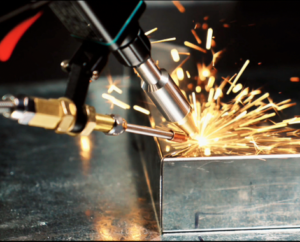
Learn about the most common laser welding methods used in industrial manufacturing, including conduction welding, keyhole welding, pulsed welding and automated cobot solutions.
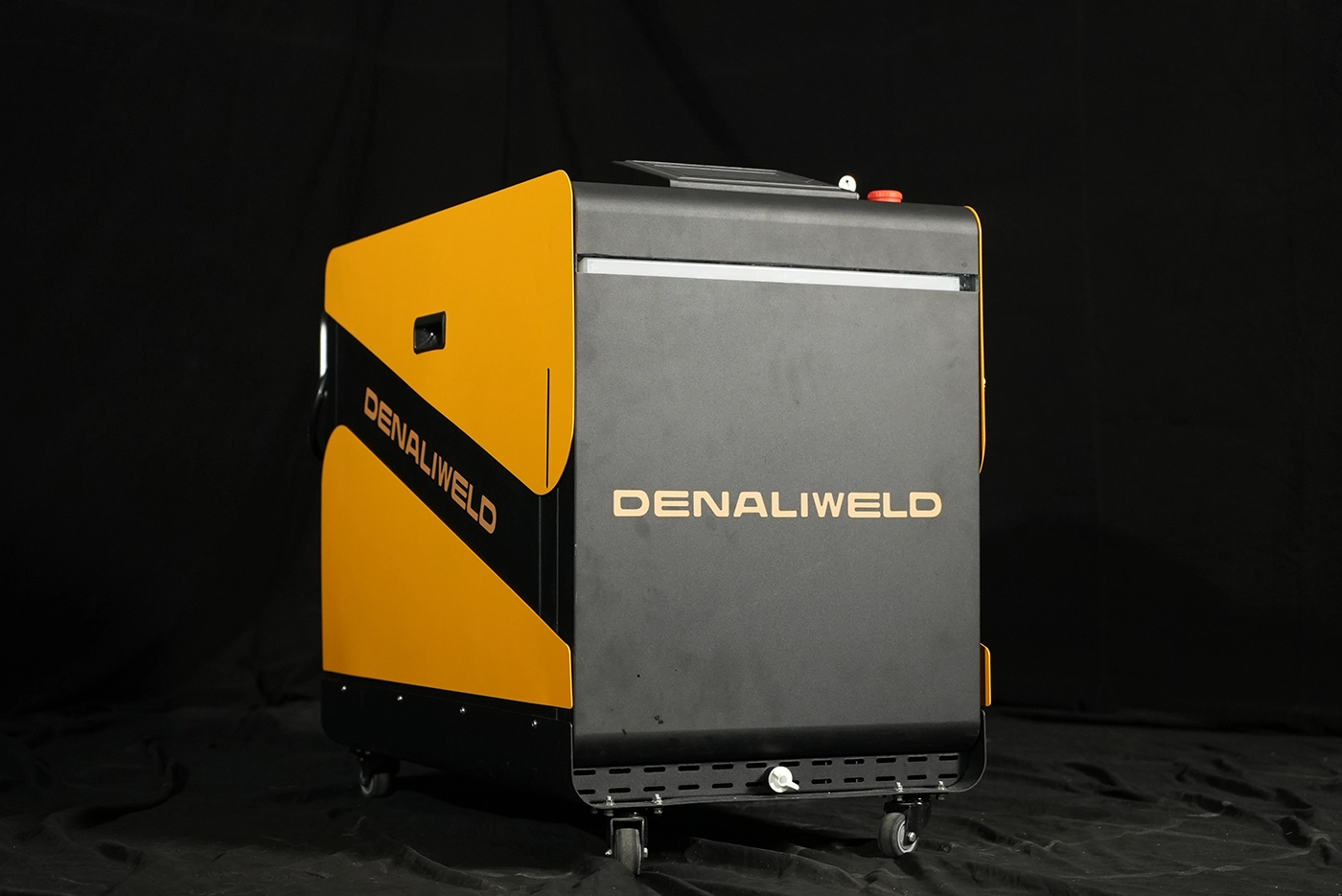
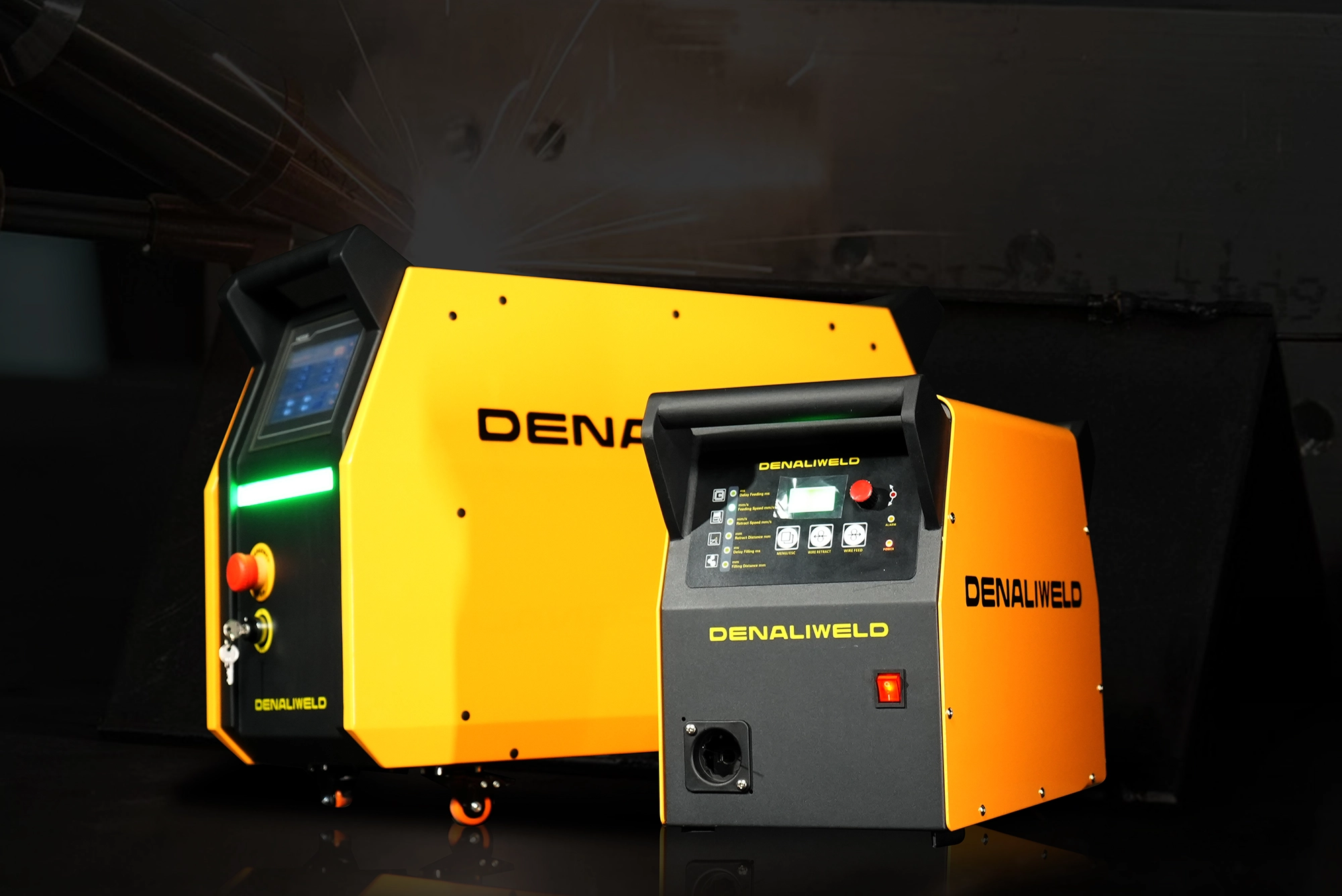
Experience the next generation of welding with DenaliWeld’s cutting-edge fiber laser systems – engineered for simplicity, built for performance, and certified for peace of mind.
Fill out your contactinformation and we will get back to you.
You can also give us a call
+46 511-199 40
All our machines are CE and SGS certified, meeting the highest European standards for safety, quality, and reliability. Whether you're scaling up production or modernizing your workshop, DenaliWeld offers a smarter, cleaner, and faster alternative to traditional welding.
Thanks to intuitive controls and intelligent design, you don’t need to be a seasoned welder to get professional results. With a short learning curve and minimal setup, you can be up and running in no time – producing strong, precise welds with confidence.
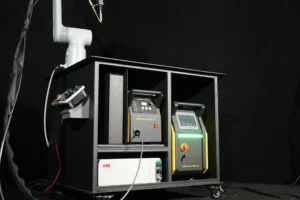
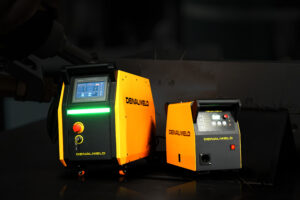
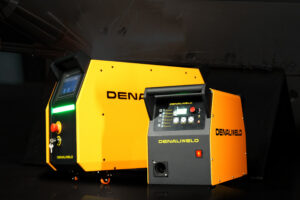
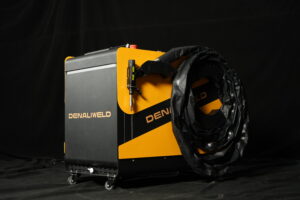
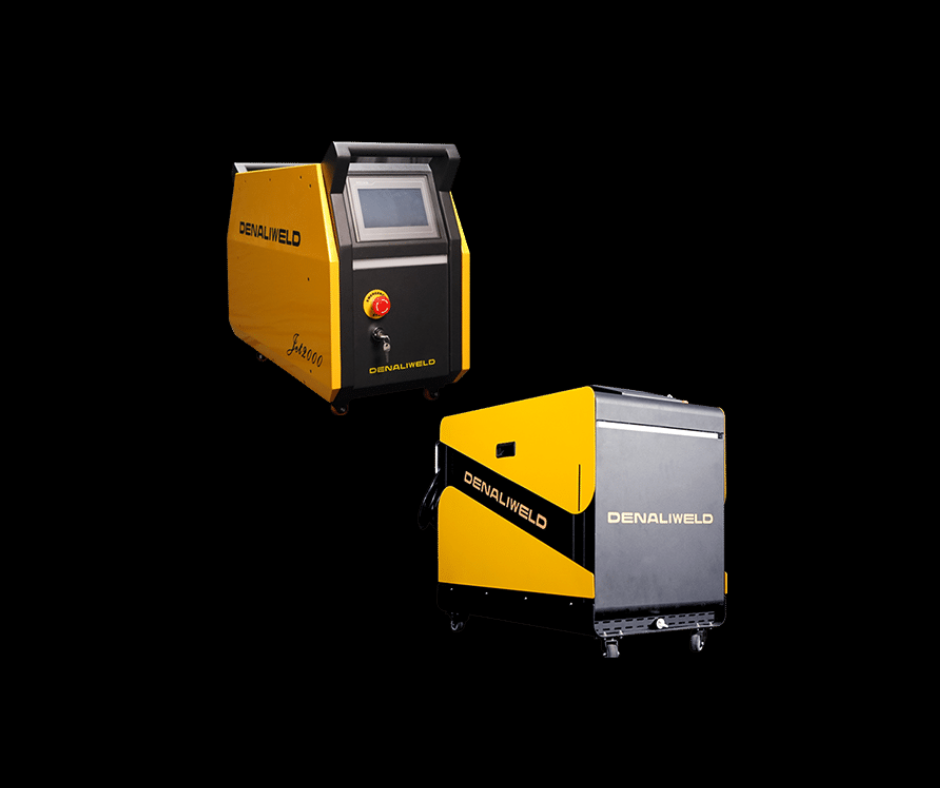
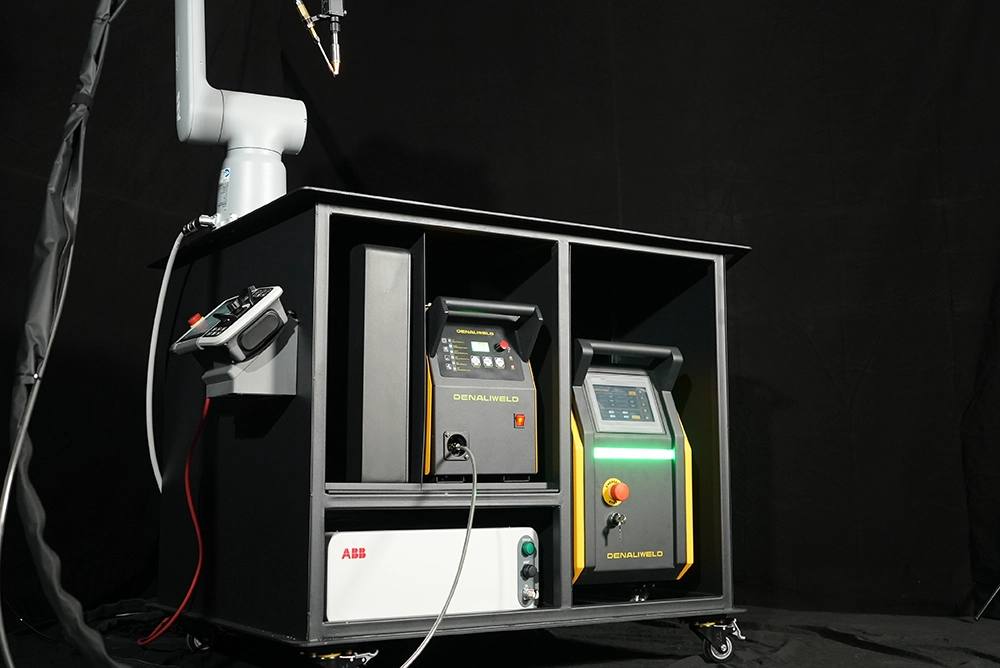
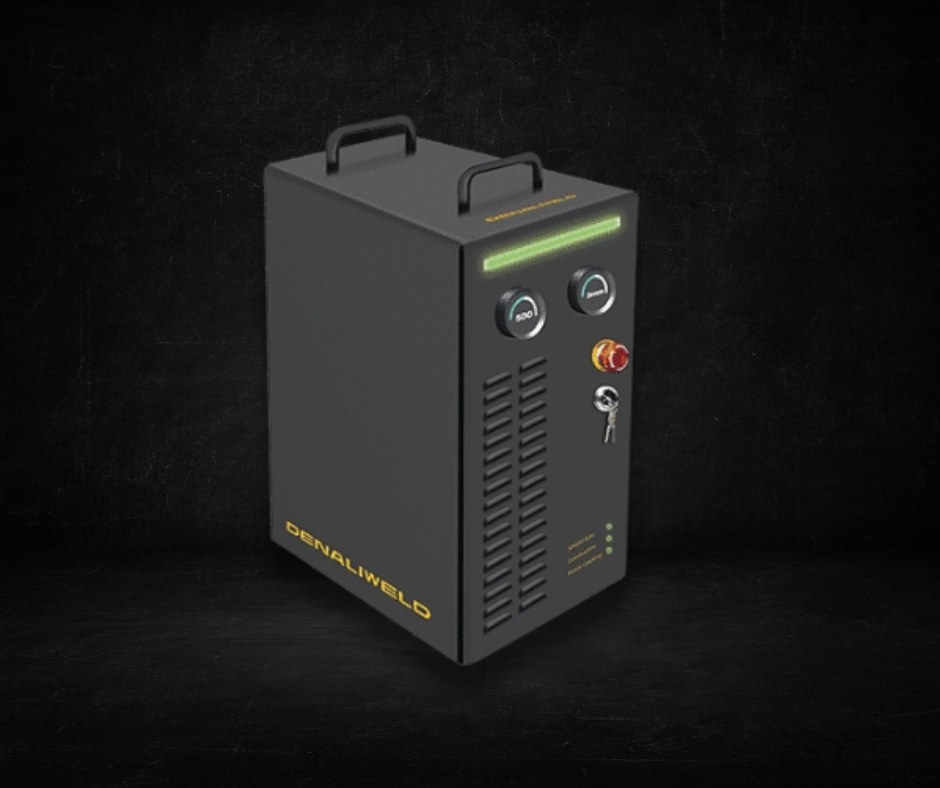
We offer a complete range of solutions – from air- or water-cooled handheld laser welders (500W to 3000W) to fully integrated robot and cobot systems for automated workflows. Whatever your needs, there’s a DenaliWeld system ready to elevate your production.

Learn about the most common laser welding methods used in industrial manufacturing, including conduction welding, keyhole welding, pulsed welding and automated cobot solutions.

Understanding laser welding parameters is essential for achieving consistent weld quality and stable production results. Parameters such as laser power, welding speed and focal position directly affect penetration, heat input and overall welding performance.

Investing in a laser welding machine can improve productivity, weld quality and efficiency in modern manufacturing. But choosing the right system depends on your production

Choosing the right welding method is critical for productivity, quality and cost efficiency in modern manufacturing.

Laser welding has moved from “high-end manufacturing” into a practical solution for workshops and production environments that want cleaner welds

In a competitive manufacturing world, the “best” welding method is the one that helps you deliver repeatable quality, higher throughput, and fewer bottlenecks.